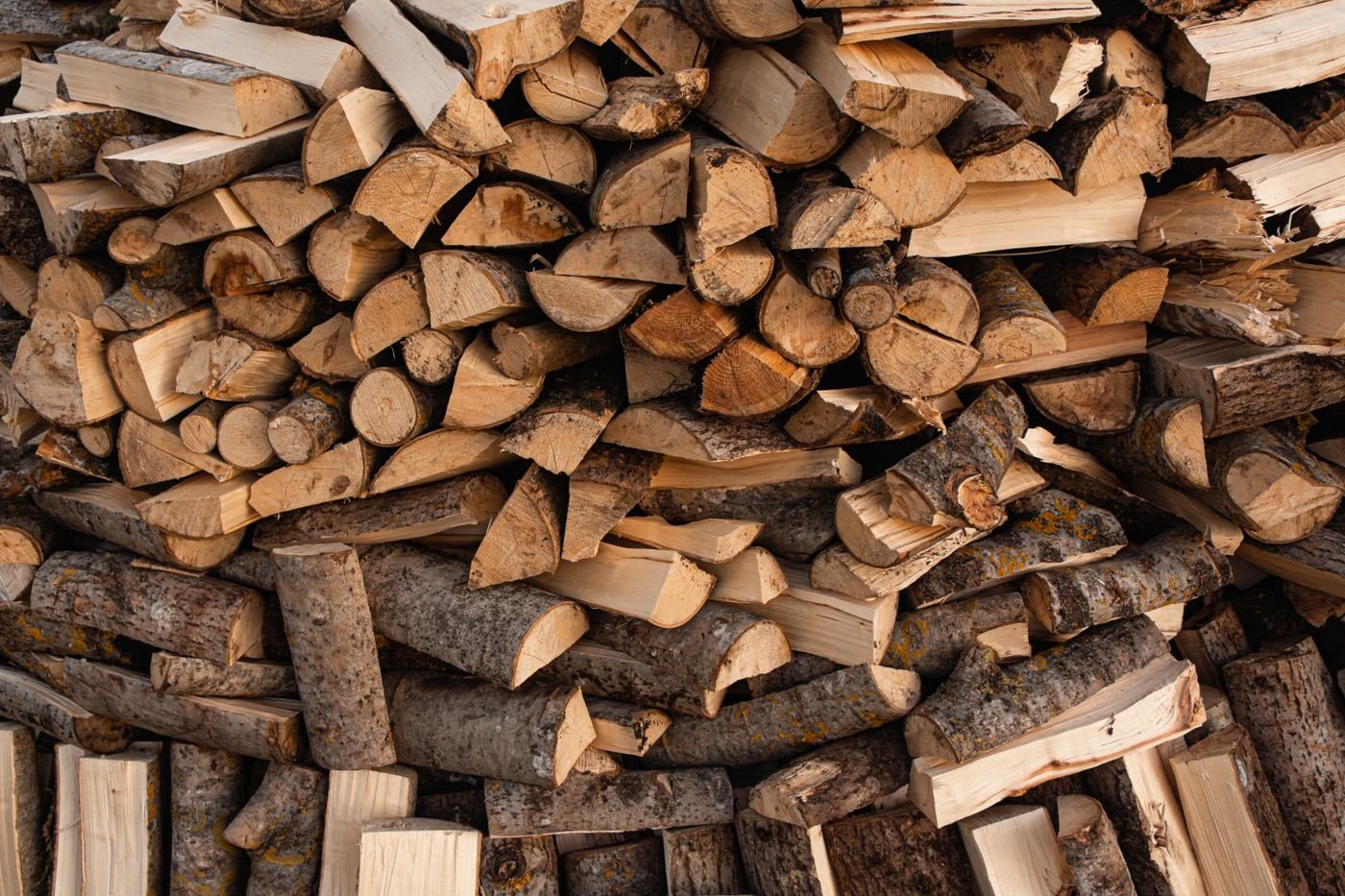
You will end up with more than you expect. Chipped wood takes up far more space than the solid tree did, so a medium removal produces several cubic yards, and grinding a stump produces a mound bigger than the hole it came out of.
Most of it is genuinely useful. Some of it will cause problems if you put it in the wrong place.
Where chips do real good
Around established trees. Three to four inches deep, spread out toward the drip line, and pulled back a few inches from the trunk so it is not piled against the bark. In an Austin summer this holds soil moisture, keeps roots cooler and suppresses weeds. On a clay lot east of I-35 it also slows the shrink-and-swell cycle that tears fine roots.
A ring of mulch is the single cheapest thing you can do for a mature tree here, and you have just been handed the material for nothing.
On planting beds. Same depth, off the stems of shrubs.
On paths and play areas. Coarse chips make decent informal paths and hold up well.
In a compost heap. Chips are high-carbon, so mix with grass clippings and kitchen waste rather than composting them alone. They break down slowly, which for this purpose is fine.
Three places not to put them
Where you want grass. This is the big one. Chips break down slowly and tie up nitrogen at the soil surface while they do it, and new St. Augustine struggles badly in that. If the spot is going back to lawn, take the chips away and use topsoil.
Piled against a trunk. A mulch volcano heaped up the bark holds moisture against tissue that is meant to stay dry, and it invites rot and pests. Keep a gap.
Dug into a vegetable bed. On the surface as mulch is fine. Tilled in, fresh chips will compete with your vegetables for nitrogen for a season or two. Compost them first.
The nitrogen thing, honestly
People are told wood chips rob the soil of nitrogen, and it is half right. The effect is real but it is confined to the thin layer where wood meets soil. Chips sitting on the surface as mulch barely touch what is happening down where established tree roots are working.
It only becomes a genuine problem when chips are mixed into the soil, or when something shallow-rooted and new, like fresh sod or seedlings, is trying to establish in direct contact with them. Which is exactly the two cases above.
One Austin-specific warning
Chips from a red oak killed by oak wilt should not be moved to another property or stored as firewood. Cut red oak can grow fungal mats under the bark, and beetles carry spores from that pile to healthy oaks. Chipped material dries fast and is far lower risk than logs, but with a confirmed infection, let the crew take it away.
More on that in can trimming an oak tree kill it.
If you do not want them
Say so when you book and they leave on the truck. Haul-off is included in our removal prices either way, so keeping the chips does not save you money and getting rid of them does not cost extra. Plenty of people keep enough to mulch the beds and send the rest with us.
Neighbours will often take them. A post on a local group usually clears a pile within a day, since bagged mulch is not cheap.
Booking a removal? Tell us whether the chips stay or go. Send a photo for a price. See stump grinding and how to level the ground afterwards.